What NOT To Do In The Drivers Licence UK Industry
Understanding the Drivers Licence in the UK: A Comprehensive Guide
In the United Kingdom, the drivers licence is a vital file that allows people to legally run automobile on public roads. This guide serves to notify readers about the procedure of obtaining a drivers licence, the kinds of licences readily available, the various stages of acquiring one, and regularly asked concerns relating to the UK driving system.
The Basics of a UK Drivers Licence
In the UK, the drivers licence is supplied by the Driver and Vehicle Licensing Agency (DVLA). It serves numerous purposes, consisting of:
- Legal Identification: The licence serves as an evidence of identity.
- Driving Privileges: It allows the holder to drive specific classes of cars.
- Road Safety: It guarantees that all drivers are proficient and have passed essential security tests.
Types of Licences
The UK offers various kinds of driving licences, covering different automobile classifications. Below is a table detailing these categories:
Licence Type
Description
Age Requirement
Provisional Licence
Permits learners to practice driving before taking the test.
17 years old
Complete Car Licence
Permits driving cars and trucks and certain light lorries.
17 years old
Motorcycle Licence
Permits the driving of motorcycles, with tiers.
16-24 years old (depending on category)
HGV Licence
For heavy items automobiles.
18 years old
PSV Licence
For public service lorries, like buses.
21 years of ages
Minibus Licence
Permits driving of minibuses with 9-16 travelers.
21 years of ages
How to Obtain a Drivers Licence
Step 1: Get a Provisional Licence
To begin the journey toward a complete drivers licence, one should initially make an application for a provisional licence. This is readily available online or at certain post workplaces. Key requirements include:
- Proof of identity (passport or another type of ID)
- Address information
- National Insurance number (if readily available)
- Payment of the application fee (around ₤ 34 online, ₤ 43 by post)
Step 2: Learn to Drive
When you have your provisional licence, you can begin practicing driving. You have the choice to take lessons with a qualified trainer or practice with a member of the family or good friend who holds a full driving licence.
Step 3: Take the Theory Test
Before taking the useful driving test, you must pass a theory test, which consists of:
- Multiple-Choice Questions: Knowledge of roadway rules and regulations.
- Danger Perception Test: Identifying potential risks on the road.
The theory test costs ₤ 23 and can be reserved through the DVLA site.
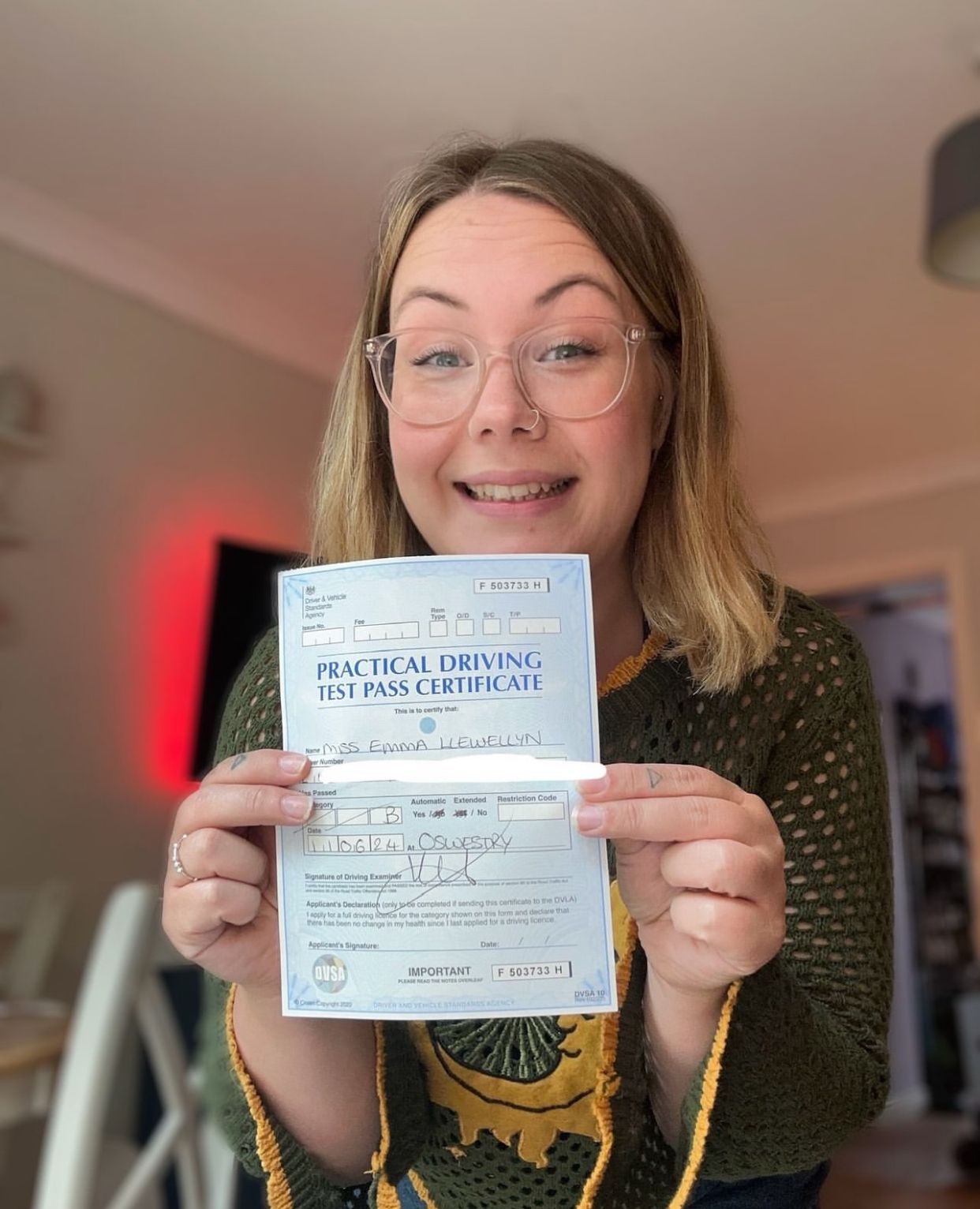
Step 4: Take the Practical Test
The practical driving test evaluates your ability to operate a lorry and react to different driving conditions. The test consists of:
- A series of driving situations.
- A vehicle security check (revealing understanding of vehicle upkeep).
- An obligatory independent driving section.
The dry run expenses ₤ 62 during the week and ₤ 75 on weekends and bank holidays.
Step 5: Apply for a Full Licence
After successfully passing both tests, you can update to a full driving licence. This process involves:
- Completing the application (D1) available at post workplaces.
- Surrendering your provisional licence.
- Paying the upgrade fee (around ₤ 34 if done by post).
Summary of the Process
Action
Description
Fee (Approx)
Get Provisional Licence
Application for learning to drive
₤ 34 (online)
Theory Test
Multiple-choice + threat perception
₤ 23
Dry run
Evaluate driving capability
₤ 62 – ₤ 75
Make An Application For Full Licence
Upgrade from provisional to complete licence
₤ 34 (by post)
Frequently Asked Questions (FAQ)
1. How long does Get A Driving License UK take to get a drivers licence in the UK?
The timeframe varies depending on specific readiness and schedule of testing slots. Normally, it can take anywhere from a couple of months to over a year.
2. What do I require to take my driving test?
You will need:
- Your provisional licence.
- An appropriate lorry for the test (insured and roadworthy).
- Any required recognition (like a passport).
3. Can I drive on a provisional licence?
Yes, but you should be accompanied by somebody who has held a full licence for at least 3 years. The accompanying driver should enable you to drive a lorry within their class.
4. What if I fail my driving test?
You can retake the test after a waiting period, usually 10 days. It's advisable to address any weak points pointed out during your last test before reattempting.
5. Can I drive in other countries with a UK licence?
Most countries accept a UK driving licence; however, some might need an International Driving Permit, especially outside of Europe. It's important to inspect regional laws before taking a trip.
Obtaining a drivers licence in the UK can be a simple yet comprehensive process. From comprehending the types of licences offered to successfully finishing the essential tests, this guide supplies a detailed summary of whatever one requires to understand about driving in the UK. Being notified about each step can help individuals browse the journey efficiently, ensuring that they not just pass their test but likewise become safe and experienced drivers. With the right preparation and understanding, the open roadway awaits!